Q: How does the cone crusher mantle enhance industrial operations?
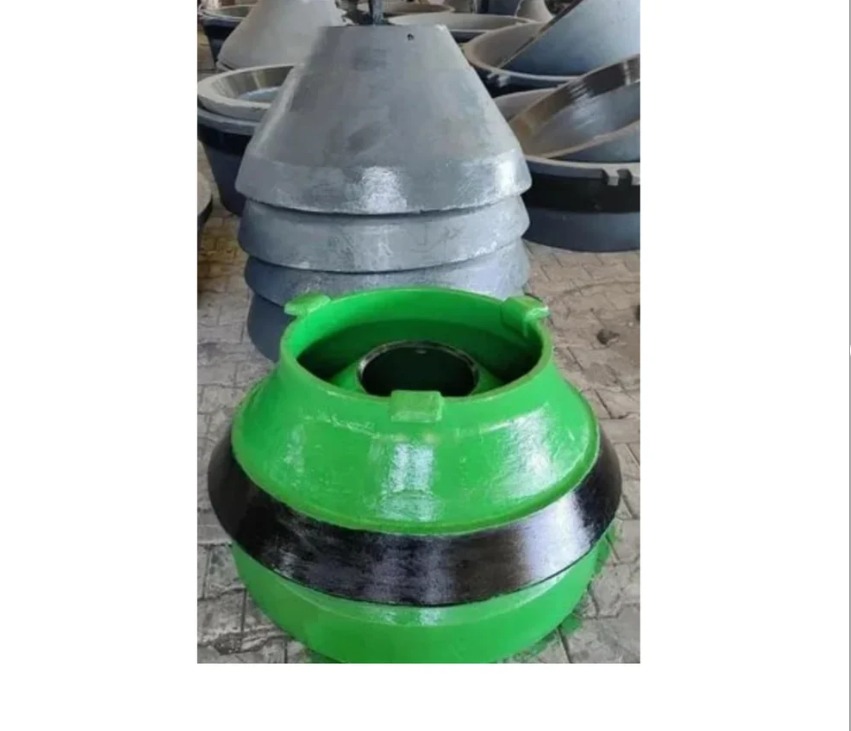
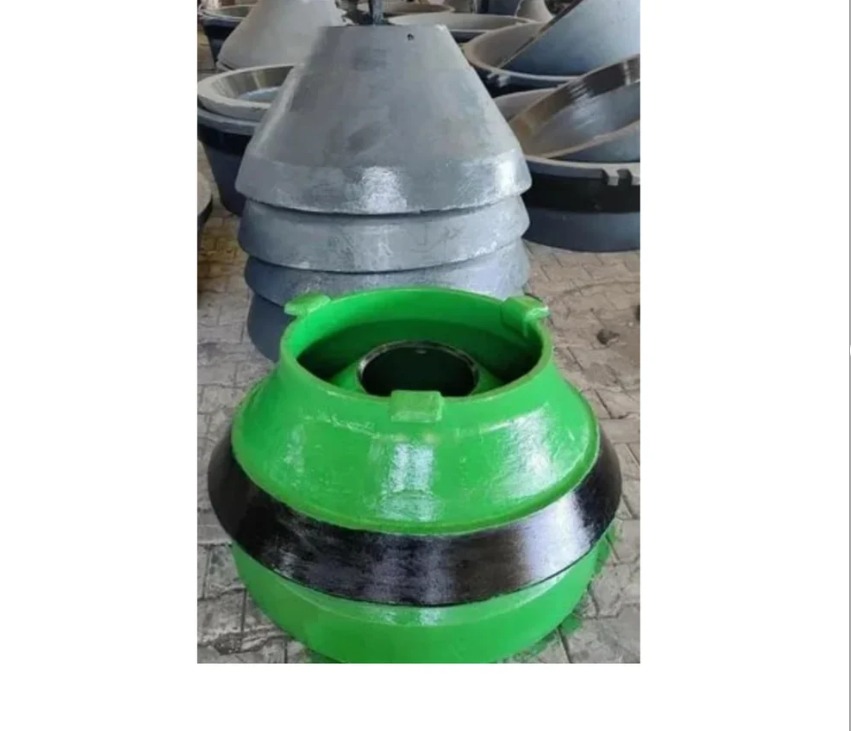
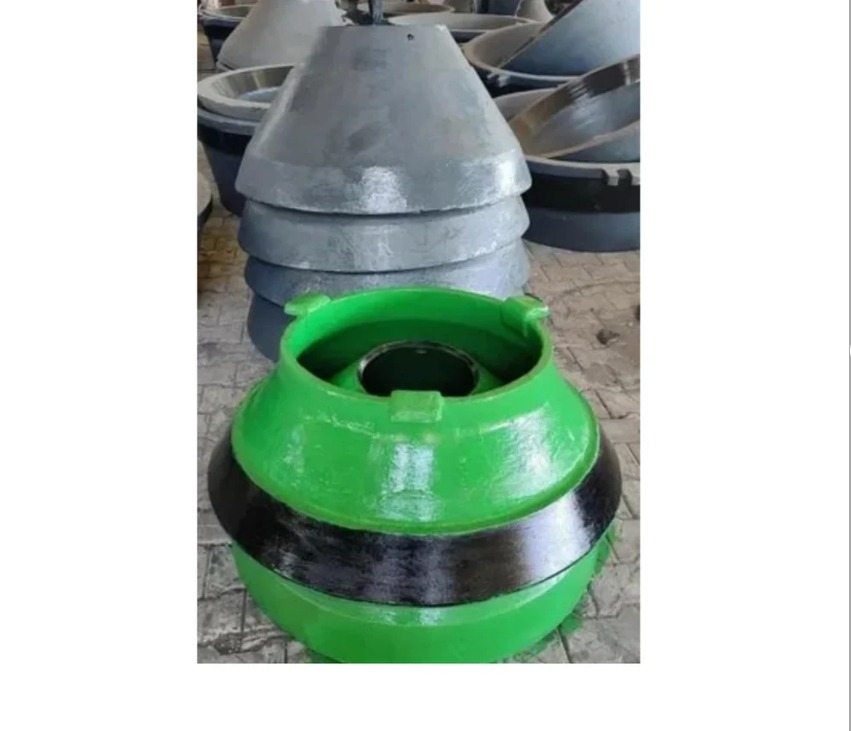
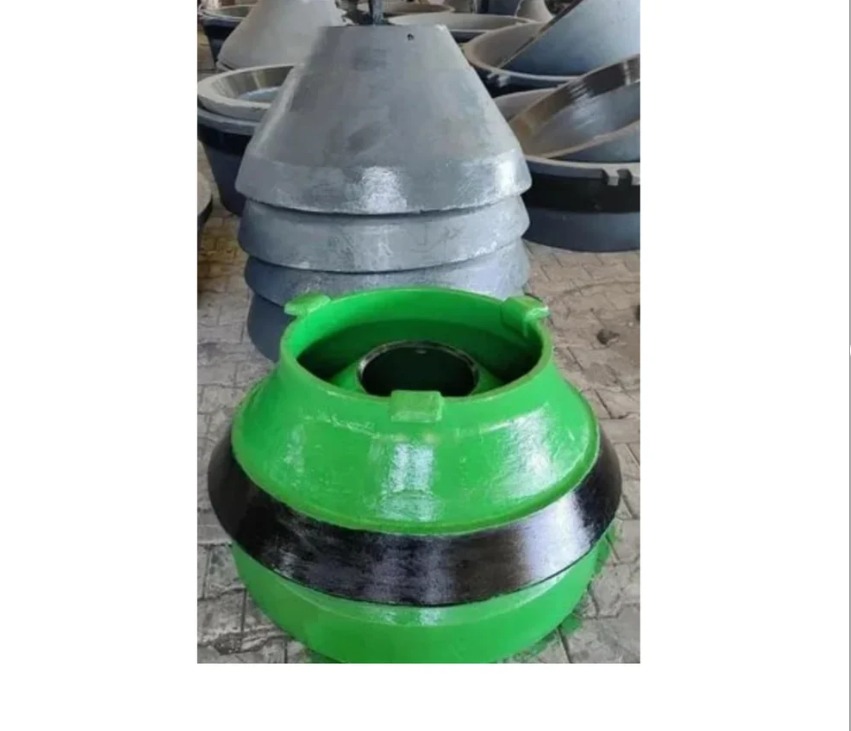
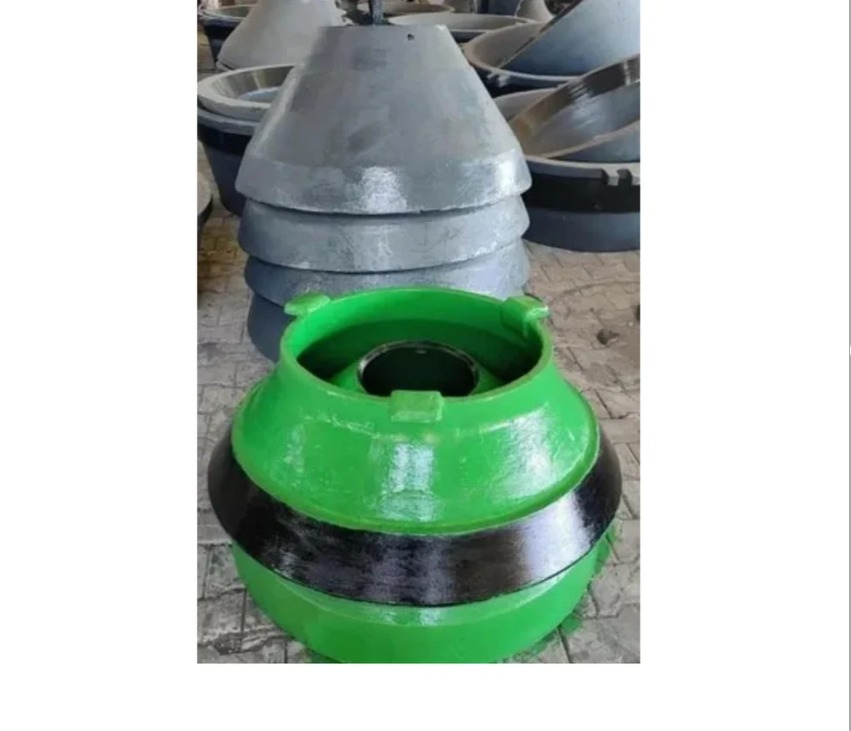
A: The cone crusher mantle offers high efficiency and durability, making it ideal for heavy-duty industrial operations. Its robust cast iron construction and polished surface provide reliable crushing suitable for mining and aggregate plants.
Q: What applications are suitable for this cone crusher mantle?
A: This mantle is perfect for mining, quarrying, and aggregate processing, and can be effectively used in secondary and tertiary crushing stages across varied industries.
Q: Where is this product manufactured and who supplies it?
A: The cone crusher mantle is manufactured, supplied, and traded by experienced professionals in India, ensuring world-class quality and reliability.
Q: When can I expect delivery after placing an order?
A: Delivery times are prompt and communicated clearly at the time of order. You can expect your product within the agreed timeframe to keep your projects moving efficiently.
Q: What certifications and quality assurances are provided with the mantle?
A: The product comes with certifications that attest to its high quality and safety, ensuring that you receive a reliable and compliant component for your operations.
A
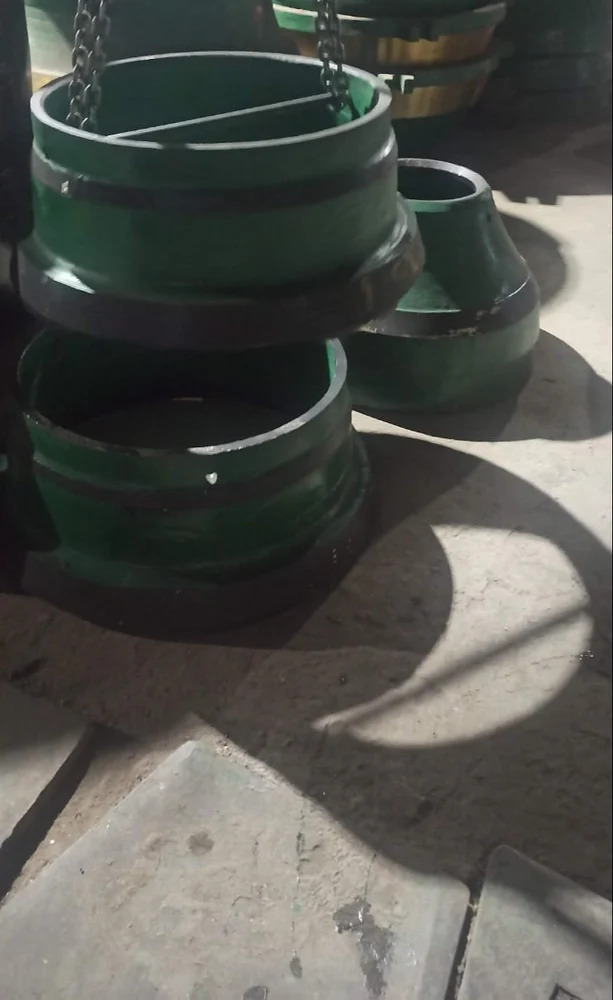
cone crusher mantle is a heavy-duty, wear-resistant lining mounted on the main moving shaft of a cone crusher. As the cone head swings eccentrically, the mantle compresses raw materials (rocks, ores) against a stationary concave (bowl liner) to reduce their size. [
1,
2,
3]
Because it handles extreme abrasive forces, the mantle acts as a sacrificial wear part designed to be periodically replaced to protect the main crusher head. Here are its key defining characteristics: [
1,
2,
3,
4]
- Material Composition: Mantles are cast primarily from high-manganese steel (often 18% Manganese and 2% Chromium) or alloy steel. This specialized metallurgy allows the metal's surface to continuously work-harden under the impact of crushing while retaining a tough, ductile core. [1, 2, 3]
- Design & Shape: It features a hollow, inverted-cone or bell shape engineered to fit precisely onto the crusher's moving cone assembly. The outer working surface typically has ridges or corrugations that grip and direct the material downward through the crushing chamber.

 Send Inquiry



 Send Inquiry

 Send Inquiry
 English
 Spanish
 French
 German
 Italian
 Chinese (Simplified)
 Japanese
 Korean
 Arabic
 Portuguese